
Your Lifestyle Nutrition Journey
Educational guidance for keto-style routines and intermittent fasting habits
Learn More
Bediwell provides educational resources about nutrition routines and habit-building strategies. We focus on lifestyle coaching and general information to help you understand keto-style eating and intermittent fasting as daily routines.
Our approach centers on education, consistency, and personal routine development. This is not a healthcare service, but rather a platform for learning about nutrition habits and making informed choices about your daily eating patterns.

A keto-style eating routine is an approach to daily nutrition that emphasizes lower carbohydrate intake while focusing on healthy fats and moderate proteins. This eating pattern has become popular as a lifestyle choice for many people around the world.
The general concept involves adjusting your food choices to include more whole foods like vegetables, quality proteins, and natural fats, while reducing processed carbohydrates and sugars.
People often explore this routine as part of their personal wellness journey, seeking to understand how different food choices affect their daily energy and overall lifestyle.

Intermittent fasting is an eating pattern that cycles between periods of eating and voluntary fasting on a regular schedule. It's a time-based approach to organizing your daily meals rather than a specific diet.
Many people find this pattern fits naturally into their lifestyle, offering a structured way to plan their daily eating windows. Common approaches include eating within an 8-hour window each day, or having regular eating days alternated with lighter eating days.
This approach to meal timing has been practiced in various forms throughout human history and across different cultures.
This format involves eating within an 8-hour window and fasting for 16 hours. Many people find this fits naturally into their daily routine, such as eating between noon and 8pm.
This approach involves eating normally for five days of the week and reducing calorie intake on two non-consecutive days. It offers flexibility for different lifestyles.
A consistent daily approach focusing on food choices that emphasize vegetables, proteins, and healthy fats while limiting processed carbohydrates and sugars.
These are educational examples of common patterns. Individual preferences and schedules vary greatly.
Planning your meals starts with thoughtful shopping. Focus on whole foods, fresh vegetables, quality proteins, and natural fats. Creating a shopping list helps maintain consistency with your chosen routine.
Many people find success by preparing meals in advance. This might include washing and chopping vegetables, cooking proteins in batches, or portioning meals for the week ahead.
Staying well-hydrated is an important part of any nutrition routine. Water supports all bodily functions and helps maintain energy throughout the day. Consider carrying a water bottle as a simple reminder.

Consistent sleep patterns support overall wellness and help maintain energy for daily activities. Many people find that regular sleep schedules complement their nutrition routines.

Regular physical activity, whether walking, stretching, or other forms of movement, complements nutrition habits and supports an active lifestyle.
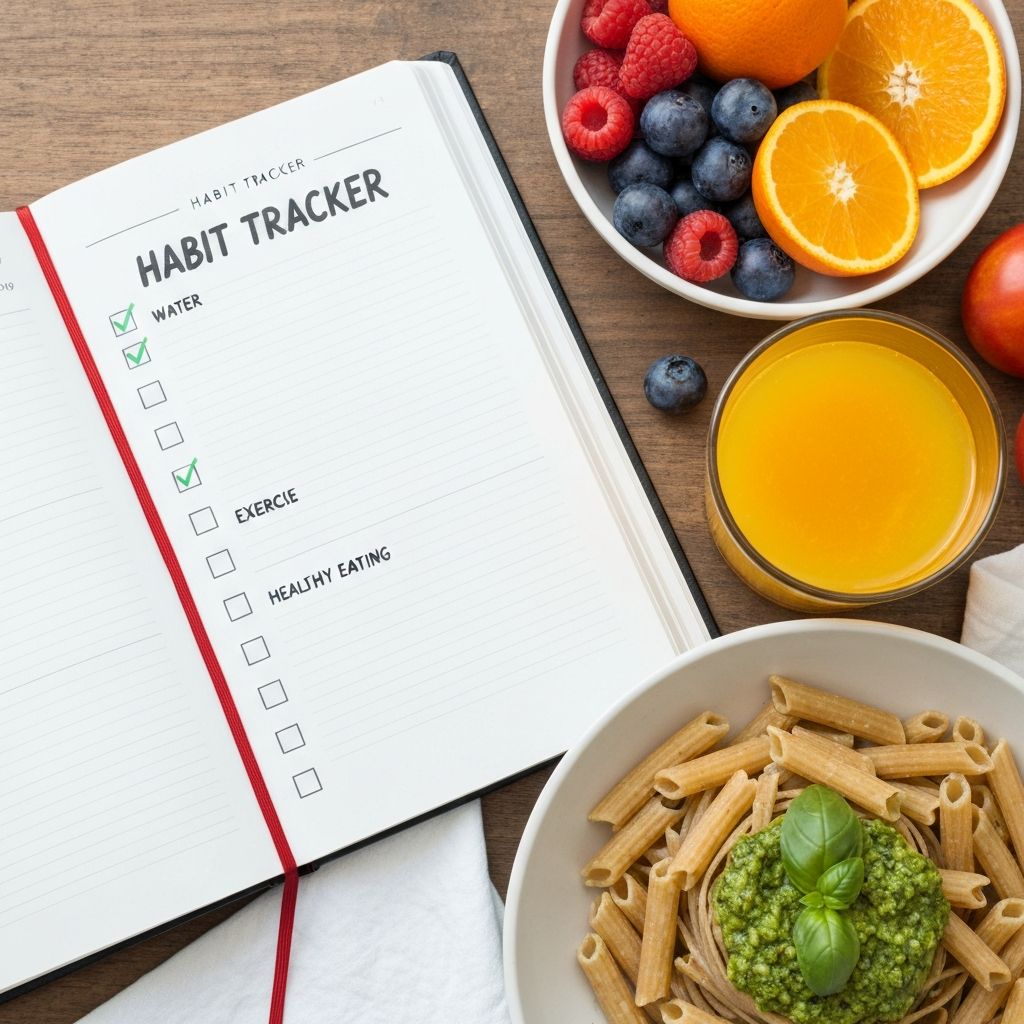
Building lasting habits takes time and patience. Small, consistent choices often lead to more sustainable routines than dramatic changes.
Keto-style eating and intermittent fasting routines appeal to various individuals interested in exploring structured nutrition patterns. People from different backgrounds and lifestyles have found these approaches adaptable to their daily schedules.
Some common reasons people explore these routines include:
Important note: These are general lifestyle approaches. Every individual is different, and what works for one person may not suit another. We encourage you to research thoroughly and consider your personal circumstances.
Educational Purpose: All information provided by Bediwell is for educational purposes and general knowledge about nutrition routines and lifestyle habits.
Personal Responsibility: Any changes to your eating patterns or daily habits are your personal choice. We encourage you to research thoroughly and make informed decisions.
Not Healthcare: Bediwell does not provide healthcare services, advice, diagnosis, or recommendations. If you have specific health concerns, please consult qualified healthcare professionals.
Before making significant changes to your eating routine, especially if you have any existing health concerns, are taking any substances, are pregnant or nursing, or have questions about your individual circumstances, we strongly encourage you to consult with qualified healthcare professionals.
"The educational resources helped me understand different eating patterns and how to structure my daily routine. The information is clear and easy to follow."
Sarah M. - Jakarta
"I appreciated learning about meal planning and how to organize my weekly shopping. The guidance on building consistent habits was particularly useful."
David K. - Bali
"Bediwell provides straightforward information about nutrition routines without making unrealistic promises. I found the educational approach refreshing."
Maya L. - Surabaya
Many people begin gradually, starting with a 12-hour eating window and slowly adjusting as they become comfortable. The key is finding a schedule that fits your lifestyle and daily commitments.
Common choices include non-starchy vegetables, leafy greens, quality proteins like fish and poultry, eggs, nuts, seeds, and healthy fats from sources like avocados and olive oil. The focus is on whole, minimally processed foods.
Many people include plain coffee, tea, and water during fasting windows. However, individual approaches vary, and some prefer to add minimal amounts of fats to their morning beverages.
Flexibility is important. Many people adapt their routines while traveling, choosing restaurants with whole food options and being mindful of their choices while maintaining a relaxed approach.
Consistency is built over time, not perfection. If your routine is interrupted, simply resume at your next meal. The goal is developing sustainable long-term habits, not following rigid rules.
Get personalized guidance on building your daily nutrition routine
Request a Consultation